
Stewards of the Southwest: Indigenous Women In Stewardship Panel
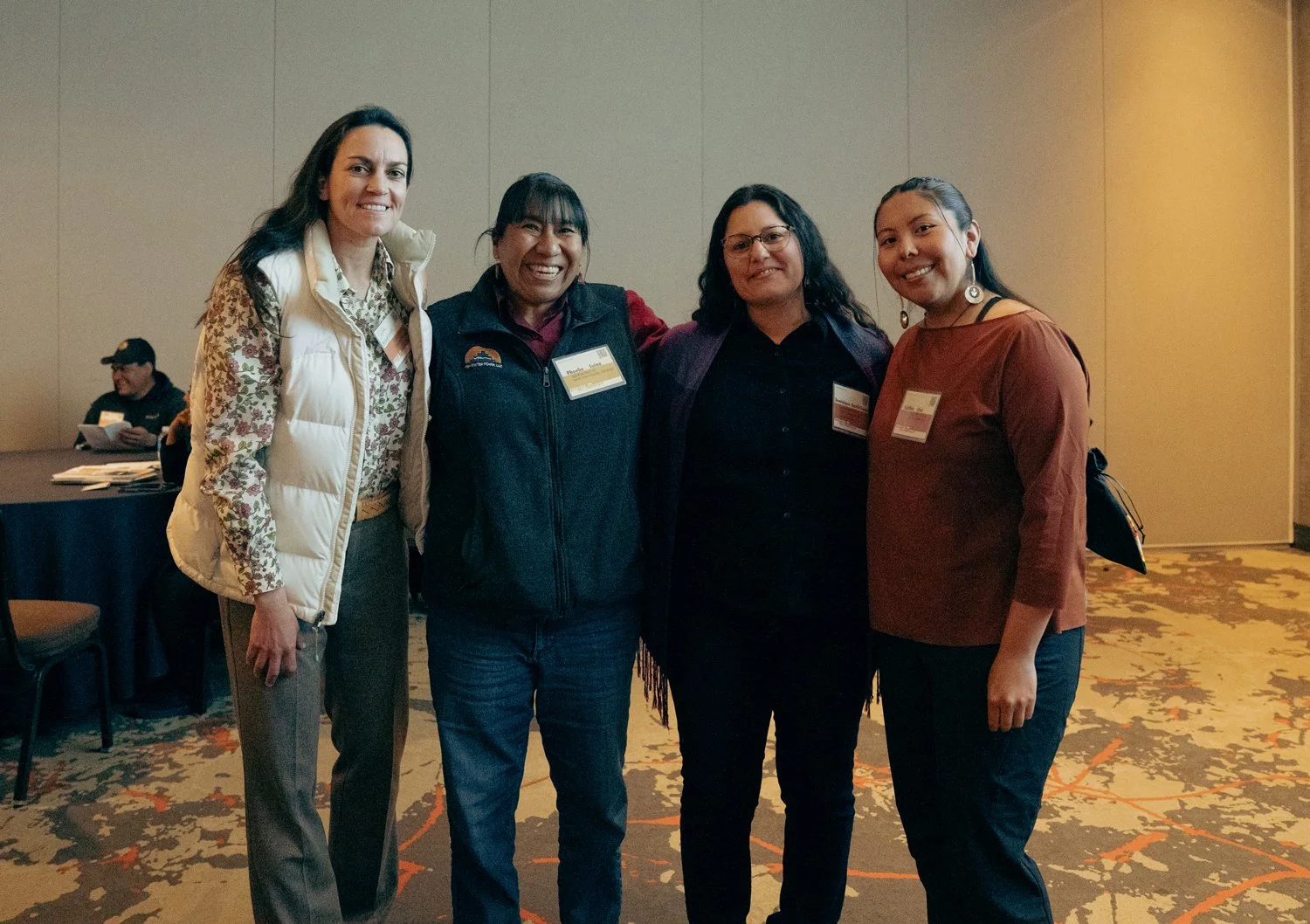
In the 2026 Stewards of the Southwest summit, TWP and partners brought forward the vital roles of Indigenous women in land stewardship. For the first time, we coordinated an Indigenous Women in Stewardship Panel as part of the summit, and we are honored to share some of the insights offered by our incredible panelists.
“From cultural fire practitioners to forest managers, researchers, and community organizers, Indigenous women are advancing innovative, place-based solutions that are rooted in traditional knowledge and contemporary science.Their leadership is critical in addressing wildfire risk, restoring forest health, protecting resources, and strengthening community resilience… Indigenous women are knowledge holders, decision makers, mentors, system changers and leaders. They are the mothers, sisters, aunties and stewards of us all.” - Lindsey Riggs, Navajo Nation, Coalitions & Collaboratives (COCO)
Though the importance of Indigenous women in these fields is clear, panelists highlighted the barriers they continue to face.
“I didn't see a lot of women in forestry or in a lot of roles within my tribal organization at home …I would just see that and kind of get carried on in my head that either our knowledge wasn't science or, you know, women aren't allowed in those spaces.” - Caitlin Cruz, Ohkay Owingeh
“A lot of us, in our courses or in our workplace, we might often be the only woman at the table, and we're most often the only native woman at the table. So I think a real valuable support network is just having those role models and those mentors.” - Dr. Serra Hoagland, Pueblo of Laguna, USFS
Many panelists highlighted the importance of other women mentors, the connection between women's knowledges and stewardship, and the need for broader recognition of their diverse roles and perspectives.
“Rematriation is all about the caretaking role that we have. And that doesn't just extend to families, you know, or sons or being a mother. It also goes into the land.” - Caitlin Cruz, Ohkay Owingeh
“Whether you're a female or male, you know, native or non-native, [we need to] have some basic principles of respect, of listening wholeheartedly….I always say some of our community members have a PhD in how we are, our way of life, because they were brought up by elders. And you can't pay for that education. You can't pay for that knowledge.” - Phoebe Suina, Pueblo de Cochiti, High Water Mark LLC
Though rebuilding from painful histories and continued barriers, the end of the conversation was oriented towards hope; many communities are healing, alongside the women leading them.
“I think that something that has endured despite colonization for the women in my tribe is our cosmology stories. Our oldest knowledges and sciences and everything embedded in them told us who we were, as life givers, our connection to water, to earth, to the moon, to cycles of time. …. Still today, we're remembering through our stories and we're remembering when we're out on the land and when we're listening to our grandmas. Even in the songs and different things, there's little pieces there we're picking up and weaving back together….What I'm finding in my family in a lot of communities is that it's also the women that are ending and mending cycles of trauma and harm in their family and in their community – and in very beautiful ways that maybe only they could.” - Dr. Dominique M. David-Chavez, Arawak Taíno, CSU